What to Expect During Surgery

What to Expect Before, During, and After Your Pet’s Surgery
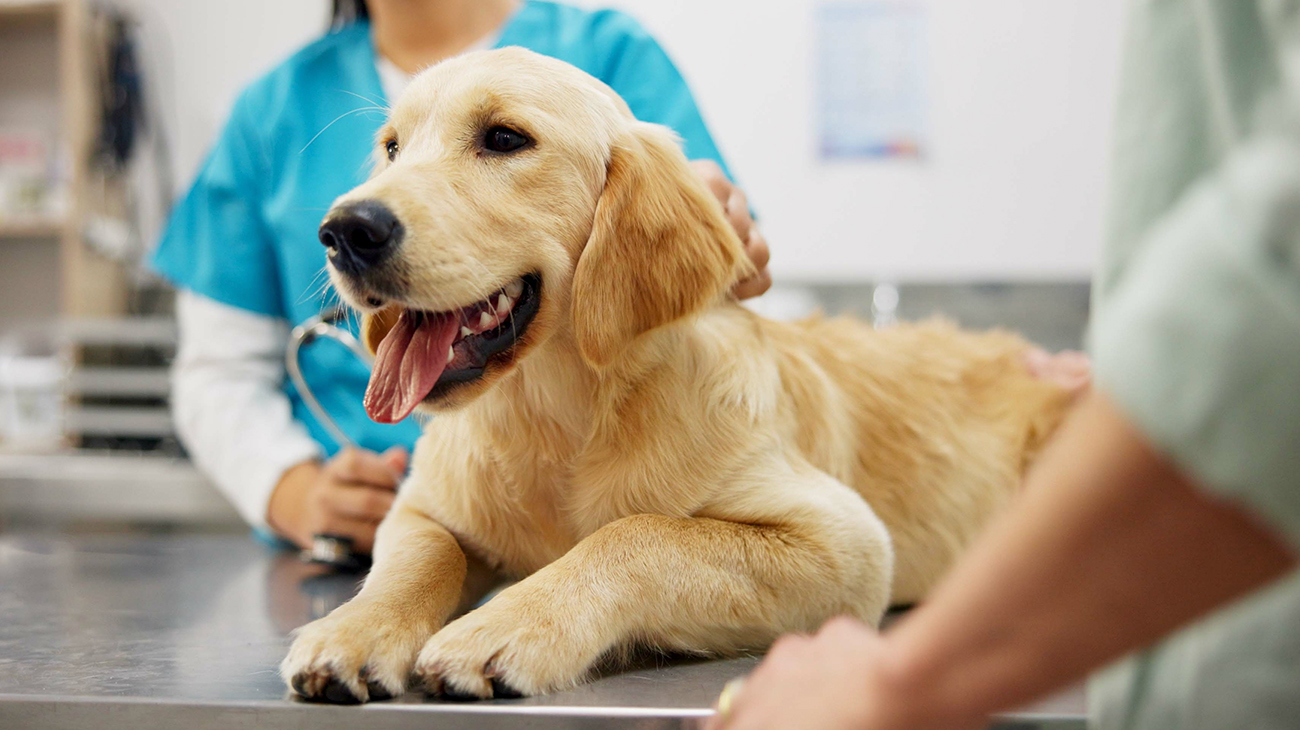
Surgery can be a stressful time for both pets and their people. At Hamilton Animal Hospital, we want you to feel confident and informed every step of the way. Dr. Zach Houghtaling explains what to expect before, during, and after your pet’s procedure.
Before Surgery: Preparing Your Pet
A successful surgery starts with good preparation.
The most important things you can do before the procedure are to:
Tell us about any changes in your pet’s health, behavior, or medications. Even small changes—like a new cough or skipped dose—can make a difference.
Follow fasting instructions. We typically ask that pets fast for about six hours before anesthesia. This ensures their stomach is empty and helps prevent nausea or vomiting during the procedure. (Very small or young pets may need a shorter fasting period, so check with our team if you’re unsure.)
Water is okay! Your pet can drink water right up until surgery time.
When you arrive for drop-off—usually around 7:30 a.m.—we’ll review the procedure, go over your estimate, and confirm details such as when your pet last ate or received medication.
During Surgery: What Happens Behind the Scenes
Once we confirm your pet is ready for anesthesia, your veterinarian will perform a full pre-surgical exam. We’ll listen to their heart and lungs, check hydration levels, and identify any new health concerns that could affect anesthesia safety.
After a light sedation, an IV catheter is placed so your pet can receive fluids and medications comfortably throughout the day.
During the procedure, our team uses advanced anesthetic monitoring technology—the same kind used in human hospitals. This includes continuous tracking of:
Temperature
Blood pressure
Oxygen levels and CO₂
Heart rate and rhythm
This close monitoring allows us to make real-time adjustments and keep your pet as safe as possible.
While modern anesthesia is extremely safe, there is always a small amount of risk. Statistically, serious complications occur in about 1 in 2,000 dogs and 1 in 900 cats. That’s why we take precautions like pre-operative bloodwork and thorough exams—to minimize risks and ensure your pet’s body can process medications properly.
After Surgery: Recovery and Home Care
When your pet wakes up, they may feel disoriented or confused—this is normal. We make recovery as smooth as possible with medications to keep them comfortable and warm blankets to prevent chills.
Once you take your pet home, here’s what to expect:
They may be groggy, anxious, or vocal for several hours.
Monitor their incision for swelling or bleeding, and keep the cone (E-collar) on to prevent licking or chewing.
If your pet had dental work, a small amount of bleeding from the mouth can be normal.
Appetite may be low for a day or two, and mild constipation is common after anesthesia or pain medication.
If your pet isn’t eating after two days or seems very uncomfortable, please call us.
We’re Here to Help
Our goal is for every pet’s surgery to be as safe and stress-free as possible—for both of you. If you ever have questions about your pet’s upcoming procedure, don’t hesitate to reach out. We’re always happy to explain what’s happening behind the scenes and help you prepare for a smooth recovery.
If your pet is due for a surgery or dental procedure, give us a call to schedule their next visit. We’d be honored to care for them.